

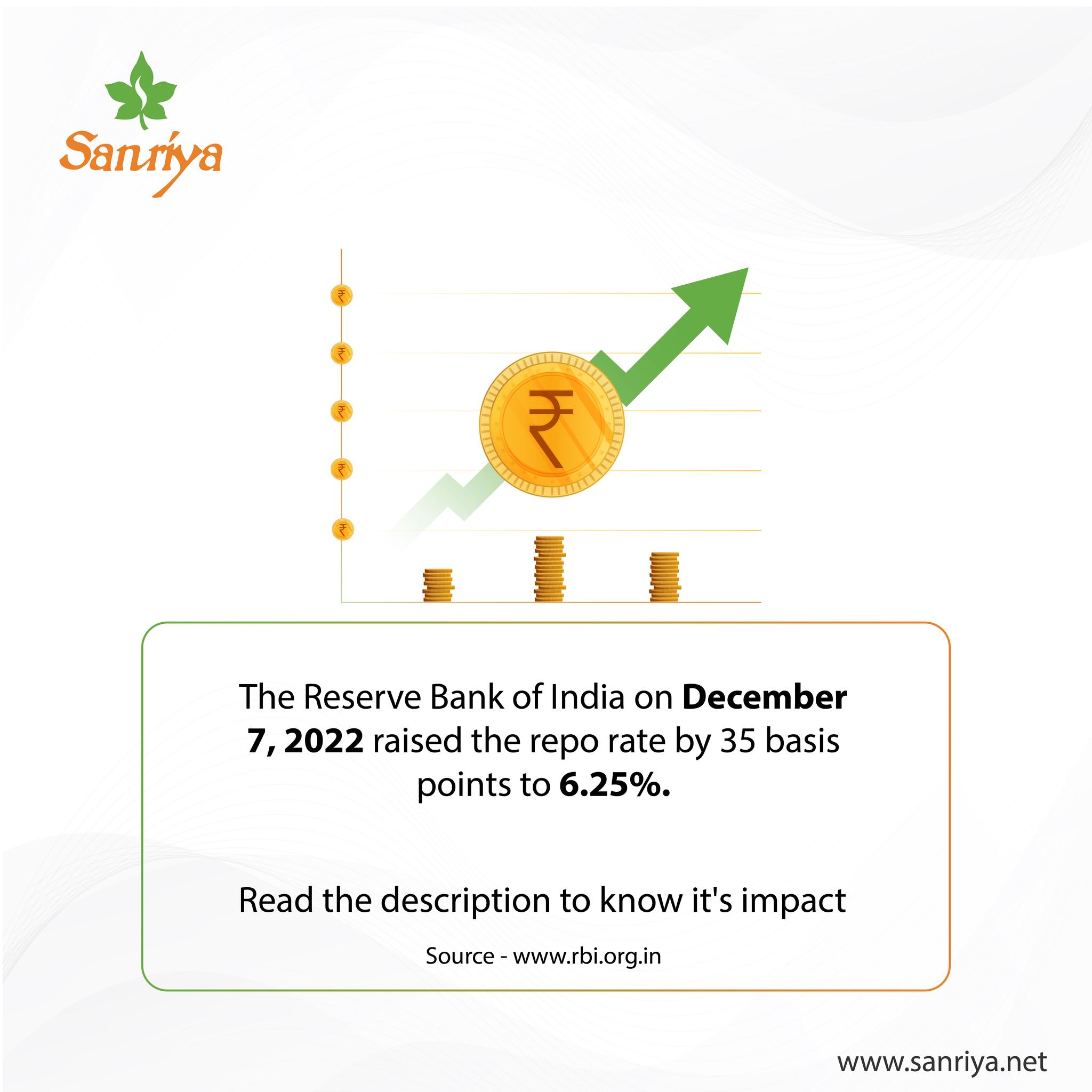
In the realm of macroeconomic policy, the Reserve Bank of India (RBI) plays a pivotal role in regulating the country’s monetary policy. One of the primary tools at its disposal is the repo rate, the rate at which the RBI lends money to commercial banks. Changes in the repo rate by the RBI hold significant implications for the broader economy, with repercussions felt across various sectors.
When the RBI alters the repo rate, it sets in motion a chain reaction impacting lending rates throughout the financial system. A decrease in the repo rate encourages banks to borrow more from the RBI at lower costs. Consequently, banks might decide to lower their lending rates to consumers and businesses, fostering a climate that encourages borrowing and spending.
The repercussions of such rate adjustments reverberate differently across sectors. Certain sectors like manufacturing, services, and infrastructure often benefit from reduced lending rates. Lower borrowing costs empower businesses to invest in expansion, innovation, and capital projects, thus stimulating economic growth.
However, the impact on sectors can be diverse. While some benefit from lower rates, others might experience adverse effects. For instance, sectors reliant on savings or fixed-income investments might face challenges due to reduced interest income.
One of the most tangible effects of these rate adjustments is on large-ticket loans, particularly mortgages. Changes in the repo rate directly influence these loans, impacting their interest rates. A decrease in lending rates can translate to lower EMIs (Equated Monthly Installments) for borrowers. This benefits debtors of retail loans, providing them with reduced borrowing costs and potentially making loans more accessible and affordable.
It’s crucial to note that while the RBI sets the tone for interest rates, the onus falls on banks and financial institutions to transmit these changes to consumers promptly. According to RBI guidelines, banks are required to pass on the benefits of interest rate reductions to customers without delay. However, the actual transmission of these rate changes might take time due to various factors like existing loan structures, operational processes, and market dynamics.
In conclusion, the RBI’s management of the repo rate serves as a key instrument in steering the economy. Its fluctuations have a profound impact on lending rates, influencing various sectors in disparate ways. Effective transmission of these rate adjustments by financial institutions is vital to ensure that the intended benefits reach consumers in a timely manner.