

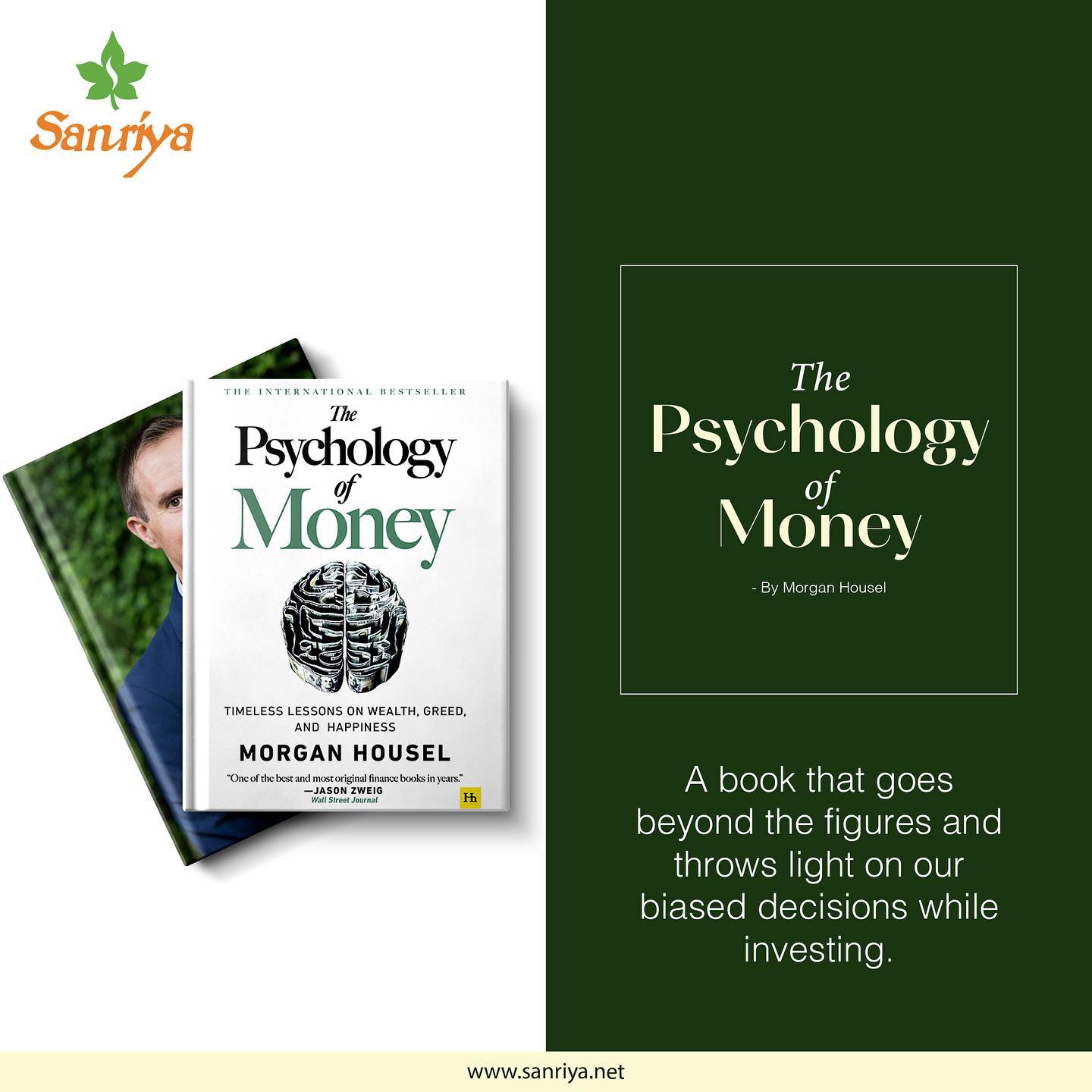
 The book “Psychology of Money” by Morgan Housel is a special book about money and investing. It’s not like other books that focus on just numbers and charts. Instead, it looks at how our thoughts and feelings affect the way we handle our money.
Morgan Housel tells us that it’s important to understand our emotions, biases (ways of thinking), and values when dealing with money. He says that we should be patient, have discipline, and think about the long term when it comes to money. This means not trying to get rich quickly but making smart choices over time. He also teaches us how to avoid common mistakes like being too greedy, too confident, or too afraid when making financial decisions.
The author shares real-life stories to make his points clear. These stories help us see how people succeed or fail with money. They also make us think about our own money habits.
In “Psychology of Money,” Morgan Housel challenges us to change the way we think about investing. He doesn’t just give advice; he shows us how to put it into action. This book can help us make better choices with our money and build wealth over time.
So, if you want to be better with money and make it work for you, “Psychology of Money” is a great book to read. It’s not full of jargon and complicated ideas. Instead, it’s simple and easy to understand, making it a valuable resource for anyone who wants to improve their financial well-being.
To kickstart your own well-thought-out investment plan, don’t hesitate to reach out to us. We can help you navigate the complexities of investing with a strategic approach. Send us a direct message or visit our website at sanriya.in/ to get started on your financial journey.
The book “Psychology of Money” by Morgan Housel is a special book about money and investing. It’s not like other books that focus on just numbers and charts. Instead, it looks at how our thoughts and feelings affect the way we handle our money.
Morgan Housel tells us that it’s important to understand our emotions, biases (ways of thinking), and values when dealing with money. He says that we should be patient, have discipline, and think about the long term when it comes to money. This means not trying to get rich quickly but making smart choices over time. He also teaches us how to avoid common mistakes like being too greedy, too confident, or too afraid when making financial decisions.
The author shares real-life stories to make his points clear. These stories help us see how people succeed or fail with money. They also make us think about our own money habits.
In “Psychology of Money,” Morgan Housel challenges us to change the way we think about investing. He doesn’t just give advice; he shows us how to put it into action. This book can help us make better choices with our money and build wealth over time.
So, if you want to be better with money and make it work for you, “Psychology of Money” is a great book to read. It’s not full of jargon and complicated ideas. Instead, it’s simple and easy to understand, making it a valuable resource for anyone who wants to improve their financial well-being.
To kickstart your own well-thought-out investment plan, don’t hesitate to reach out to us. We can help you navigate the complexities of investing with a strategic approach. Send us a direct message or visit our website at sanriya.in/ to get started on your financial journey. Gross Domestic Product (GDP) Growth Rate of India since 1961
Gross Domestic Product (GDP) Growth Rate Since 1961 till date GDP Growth Rate for Year GDP Rate 1961 3.72% 1962